The Fountain Acupuncture in Cary | Pain Relief | Fertility | Cary | Raleigh

Award-Winning Acupuncture in Cary, NC | Raleigh | Fast, lasting relief from chronic pain, sleep problems, and stress - call (919) 230-2456

Text Size:+-
(919) 230-2456
1135 Kildaire Farm Road, Suite 200, Cary, NC 27511
  • Home
  • Acupuncture
  • Testimonials
  • Pricing
  • Our Cary Acupuncturist
  • Contact / FAQ
  • Cary Location

The Science of Tea: Camellia Sinensis as a Beverage and an Herbal Medicine

Posted on 02.6.17 |

The Science of Tea

Tea is one of the most widely-consumed beverages in the world, second only to water. It has a rich mythical, culinary, medicinal, and political history, and it has changed the face of the world many times over throughout history. Legend has it that tea was discovered around 3000 BC in China by Emperor Shen Nong, the Divine Farmer, who is also credited with bringing agriculture and Chinese herbal medicine to the east. The Emperor was said to have been boiling water under a tree bush when a tea leaf fell into the boiling pot to make the first cup of tea. The custom of decocting tea leaves has since spread throughout China and the world, and has lead to what we now behold as modern global tea consumption. Thirty-four countries grow and export tea, with black tea being the most common variety.

There are four main types of tea; green, black, oolong, and puer – and they all come from the same species of plant – Camelia sinensis! Camelia sinensis is what all little teas are born from, with the differences stemming from how they are ‘raised.’ Green tea is steamed or pan fried almost immediately after picking, which haults the oxidative process and imparts a characteristic grassy flavor. Black tea is heavily fermented and allowed to oxidize, which changes it’s caffeine and polyphenol content, as well as taste and appearance. Oolong tea is oxidized in a range somewhere between green and black tea. Puer is the most fermented of all, undergoing anywhere between 1-100+ years of fermentation, and can be considered an herbal medicine.

Ancient cultures discovered the healing properties of tea, and have been using it for centuries.
Tea Drinking is Good for Health, written in Japan in 1211 by Eisai Myoan, describes various medicinal uses of tea; among them curing lack of appetite, remedying diseases caused by poor quality drinking water, paralysis, boils, and beri beri, which is a vitamin B deficiency. In both traditional Indian and Chinese medicine, practitioners have used green tea as a stimulant, a diuretic, an astringent, and to improve heart health. The Chinese classify green tea as an ‘energetically cooling’ beverage that can deplete digestive Qi, and is considered by some to be avoided during winter. Black tea, in contrast, is considered warming and promotes digestion. Post-fermentation puer is in it’s own category and goes through a microbial fermentation process. This tea is seen as being very much alive, as it is ferments up until it is brewed, and improves in quality as it ages like wine. In China, high quality Puer is viewed by some people as potent medicine, on par with qi gong, tai ji, and acupuncture, that can greatly benefit health and digestion.

The benefits of drinking tea are becoming more and more pervasive into Western consciousness.
Research into the benefits of tea for health promotion is staggering, with the vast majority of research showing a multitude of benefits available to us through this amazing and unique plant. Tea has been shown in studies to help treat and/ or prevent atherosclerosis, high cholesterol, many types of cancer (bladder cancer, breast cancer, ovarian caner, esophageal cancer, pancreatic cancer), diabetes, liver disease, and cavities. Japanese and Chinese populations, who drink tea regularly, have been shown to have one of the lowest incidences of prostate cancer in the world. Camellia sinensis has also been shown to have a wide range of antioxidant, anti-inflammatory, anti-carcinogenic and antibacterial activity against numerous pathogens.

The Science-y Stuff
Green Tea
Green tea contains 30-42% of it’s dry weight in polyphenols, which are complex antioxidants found in plants that protect human cells from the adverse effects of reactive oxygen species. In particular, green tea contains the polyphenol derivative Epigallocatechin-3-gallate (EGCG), which comprises 25-40% of total catechin load of green tea. EGCG is an anti-mutagenic that can prevent tumerogenesis by scavenging free radicals. EGCGs can also prevent several stages of carcinogenesis, including DNA damage and stabilization.

Green tea has more amino acids than black tea. It also contains the vitamins carotene, riboflavin, nicotinic acid, pantothemic acid, ascorbic acid, and theanine that is largely lost in the oxidation of black tea. According to one study conducted at UCSI University, “polyphenols are also known for their antibacterial activity. In general, antibacterial activity decreases when the extent of tea fermentation is increased, implying stronger activity in green tea than black tea.”

Black Tea
Fermentation of black tea causes the catechins that are normally found in green tea to oxidize and form different types of polyphenols called oligomeric flavanols, which include theaflavins and thearubigan, with thearubigins being the most abundant phenolic fraction of black tea. Theaflavins are orange-red compounds responsible for the astringent taste and coppery color of black tea. Theaflavins have been shown to have potent anti-HIV activity, lower blood cholesterol levels, and regulate cancer growth, survival, and metastasis, among a myriad of other things. Regular consumption of black tea has been shown to promote general homeostasis in humans.

Puer Tea
Puer tea decreases in polyphenol content as it ferments, corresponding inversely to an increase in fungi levels. This is thought to play a part in increasing Puer’s nutritional properties.

Some Health Considerations
According to Natural Medicine Comprehensive Database, green and black tea is loosely linked with exacerbating iron malabsorption of already iron-deficient populations. However, one study has suggested that black tea’s iron-chelating ability is greater that green tea. Also, green and black teas contain varying levels of caffeine and are sometimes linked with the adverse issues that are indicated with heavy caffeine intake. Caffeine levels in tea are often lower than the levels that can be found in other sources, such as coffee or OTC pills. For example, on average tea contains 47 mg of caffeine per 8 fl ounces, where coffee can contain around 95 mg of caffeine per 8 fl ounces. Black tea contains more caffeine than green tea. Low quality puer has also been shown to cause fluorosis in China and Tibet.

Pesticides are sometimes present in tea. In a study done by the Tea Research Institute in Hangzhou, China, eighty-eight pesticide residues were detected in tea using mass spectrometry. Aluminum and Arsenic are also possible heavy metal contaminants of tea grown in contaminated land or land with inorganic agricultural processes. Most tea production relies on the cultivating and harvesting of low-lying tea bushes are susceptible to pesticide contamination. The exceptions are teas from organic tea plantations and certain types of Puer which are harvested from old growth “tree forests” from mature trees rather than bushes. Although there are some possible health detriments associated with tea, they seem to mostly stem from two issues, the first and most pressing being industrial and pesticide contaminants. Because of the nature of agriculture in countries like China it is hard to guarantee that the plant has been cultivated in an ecologically responsible way.

There is an energetic quality associated with the different teas, as with any herb in Chinese medicine, which can either promote energetic homeostasis in an individual, or inhibit it. Care should be taken in the purveyance of tea and the method in which it is imbibed. By and large, however, most indigenous knowledge of tea, as well as western objective research, confirms the beneficial nature of all types of tea, and tea should be utilized and enjoyed by those who wish to benefit from this miraculous and powerful plant.

Call 1-919-230-2456 now to schedule a free consultation if you would like to start utilizing the millennia-old practice of Chinese herbal medicine to optimize your health and restore the resources that your body has to heal. The Fountain Acupuncture and Herbal Medicine is centrally located in Cary, NC, serving Cary, Raleigh, Durham, Apex, Garner, Wake Forest, Fuquay, and the greater North Carolina research triangle. We provide acupuncture in Cary, NC, as well as a host of broader Chinese medicine modalities, including Chinese herbal medicine, cupping, moxibustion, and nutritional and dietetic counseling.

In Health,
Kristin ten Broeck, MSOM, LAc
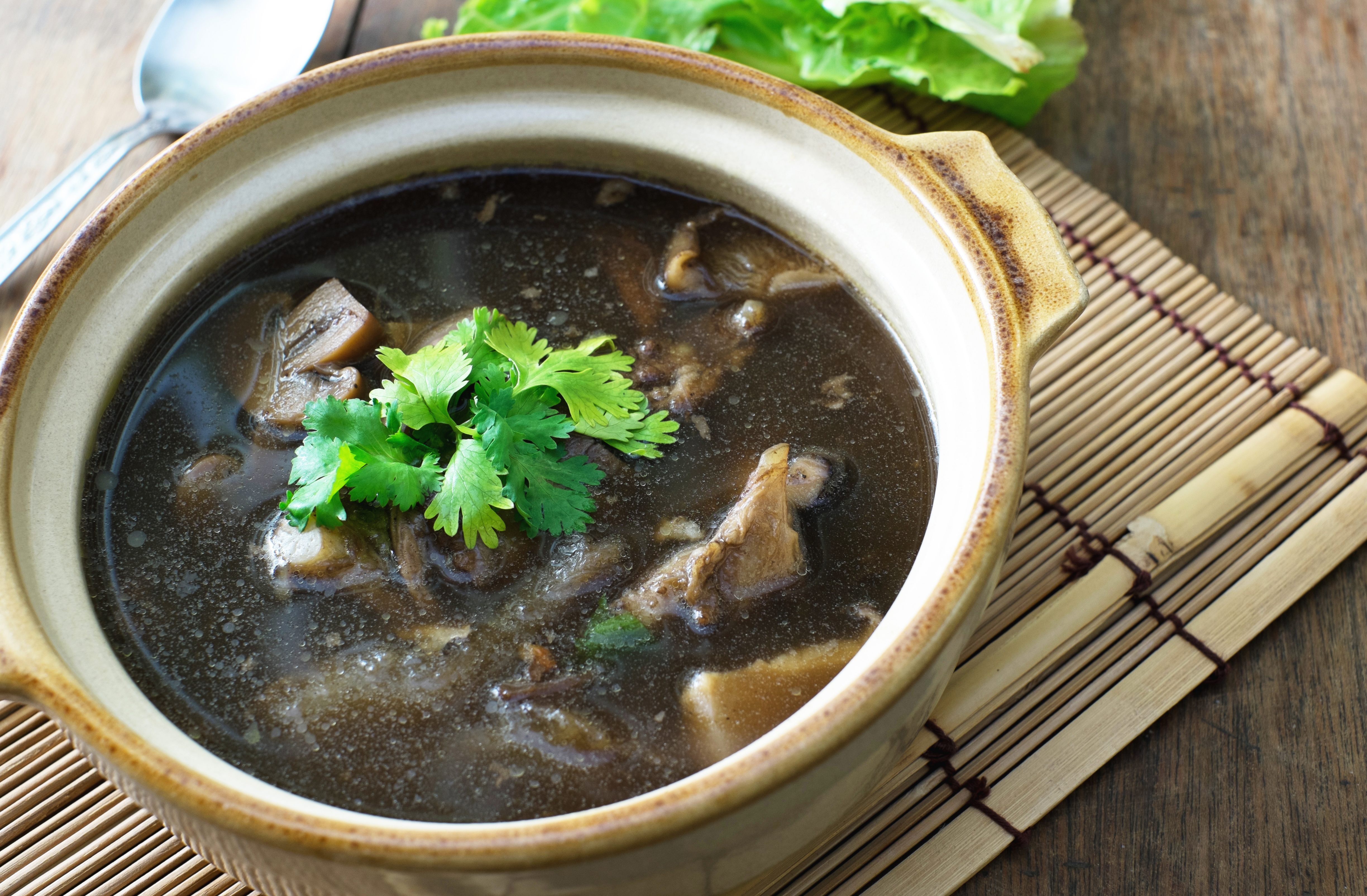
Bone Broth for healthy skin, hair, and body!

Posted on 07.12.16 |

bone broth


“Do you have a kinder, more adaptable friend in the food world than soup? Who soothes you when you are ill? Who refuses to leave you when you are impoverished and stretches its resources to give a hearty sustenance and cheer? Who warms you in the winter and cools you in the summer? Yet who also is capable of doing honor to your richest table and impressing your most demanding guests? Soup does its loyal best, no matter what undignified conditions are imposed upon it. You don’t catch steak hanging around when you’re poor and sick, do you?”
– Judith Martin

Bone Broth

Today we are going to talk about bone broth, which has been very popular for the last few years, and also happened to be a big topic of my Chinese medicine thesis dissertation (with supporting information about acupuncture and herbal medicine).
For thousands of years, broth has been used to maximize the extraction of nutrients out of available food sources.
The process of cooking broth is one that mimics nature and the process of digestion, which is partially why it is good for us; bone broth, and broths in general, are an easy-to-digest, warm, nutritious liquid that can provide us with nutrients quickly. The cooking of bone broth mimics the function of the stomach in Chinese medicine, which is viewed as a “simmering kettle” that cooks over the flame of digestive fire. This is why Chinese medicine practitioners advocate for eating warm foods, but that is the subject of a future post on seasonal eating ☺

At some point in history, our human ancestors realized they could cook food in heated rock pits to make soup. While this is a simple concept for us today, it was a huge jump in consciousness back in early human civilization, and also a leap of genius. With soup, you can cook your food, but also conserve all of your food substances in an environment where food sources are scarce. By processing the food to make it absorbable, you increase your efficiency of feeding people many times over.

We live in the 21st century, yet I do not know anyone who could not benefit from a nutrient-dense broth like our ancestors did.
As we try to stay healthy with the influx of toxic substances, high stress, and the presence of cell phone and wifi frequencies, we can benefit from simple foods that deeply nourish us – and it doesn’t hurt that broths are economical.

The Value of Broth

Bone broth is full of collagen, and oftentimes the formed constituents of blood, depending on which kind of bones you use. The constituents of bone broth are good for repairing tissues in the body, including skin, fascia, and digestive endothelium (the inner lining of your digestive tract). It is also good for hair and nails, and contributing to the fluid elements of the blood. It is a good supplement for people who are deficient and need to build up and repair their body in an overall gesture. Rather than just using water, or a sodium-overloaded/canned broth from the store, consider preparing some bone broth to freeze for later use when you want to make a nutritious drink or soup.

Bone Selection

Find a good bone source. It is preferable to find organic, “pasture-raised” or “grass fed” bones, which means that the animal was grass fed its entire life. As of July 13,2016, there is no federal standard for the term “grass fed”, so the farming practices of companies with “grass fed” on their labels can vary greatly, for example, by using antibiotics, or not. You can find more information here about the USDA’s marketing claim recission. You can check out these links to see more information about your ranchers:

  • Official Listing of Operations Included on the USDA SVS Grass Fed Program (Beef)
  • Official Listing of Operations Included on the USDA SVS Grass Fed Program (Sheep)
  • Official Listing of Approved USDA Process Verified Programs


  • It is important to opt for grass fed animals, because when animals are fed grains and other foods they did not evolve to eat, it inflames their digestive system and decreases their quality of life.
    Supporting pasture-raised farms supports a better quality of life for the animals, and it helps us stay healthy with better quality meat and bones.
    The least we can do for an animal that is giving its life for us is to make sure it was treated humanely. I do not suggest for people to make bone broth out of non-organic, non-pasture-raised or non-grass fed bones where they are not familiar with the bone source. We purchase our bones from Whole Foods in Cary, because they are the only local grocer selling bones that gives us some idea of how the animal was raised. Whole Foods uses the rating system set forth by the Global Animal Partnership, which gives detailed ratings to the ranching and farming practices of companies who apply. Here are their standards as of July 13, 2016.

    Bone Broth Instructions

    Some broth-makers will brown the meat and bones in the oven before adding them to the water to caramelize the sugars and make the subsequent broth more flavorful. This step is not necessary, but can make the broth more palatable.

    1. Start with a big pot of bones and cover them with filtered water and a splash of apple cider vinegar.
    2. Simmer the broth on low for 6-8 hours, skimming any froth off the top to discard.
    3. When done, remove the bones from the pot and put the pot of broth in the fridge overnight so the fat condenses at the top for removal. You can use this fat to make tallow (see below).
    4. After removing the initial batch of bones, cook the same used bones another 6 hours in another pot filled with filtered water to cover the bones, again with a splash of vinegar. The second extraction will yield more gelatin.
    5. Plan ahead with glass tupperware and freeze your broth for later use.

    Types of Bones

    Chicken bones produce a more flavorful broth than beef, but in Chinese dietetics, lamb bones are said to fortify the kidney. Knuckles, pig feet, chicken feet, and joints have a high collagen content. Bones like a femur will have more marrow. If you need more collagen i.e. your joints ache or your skin is dry, consider using bones with higher collagen content. If you are blood deficient, consider using more beef and marrow bones.

    Dressing Up Your Bones

    Research is coming out that plain bone broth actually does not have a high content of minerals like calcium and magnesium, but that doesn’t mean your broth can’t contain vegetables high in minerals and vitamins that you desire. Consider vegetables high in the following nutrients:

    • Calcium
      cabbage, collard greens, kale, mustard greens, sardines, spinach, sesame seeds
    • Magnesium
      swish chard, spinach, sesame seeds, fish
    • Herbs high in calcium/magnesium
      nettle, watercress, parsley, yellow mustard seed, basil, thyme, oregano, savory

    Tallow

    You can make a nutritious, fresh, high heat oil from the fat that solidifies on the top of your broth overnight in the fridge. Called tallow, this fat contains many vitamins and minerals not present in store-bought fats. Heat the fat in a pot on very low. Make sure not to burn yourself! Line a ceramic funnel (like a coffee beehive or drip funnel) with 1-2 coffee filters, and then secure the funnel over a mason far and pour the warm fat into the funnel to slowly filter into the mason jar. Again, don’t burn yourself. You can use tallow for frying or cooking with woks etc. Is does have cholesterol in it, so if you are trying to avoid cholesterol, it might not be a good fat for you.

    Some Contraindications for Bone Broth

    • Kidney disease/dysfunction
    • MSG sensitivity

    Talk to your acupuncturist, naturopath, or primary care provider about whether or not bone broth is appropriate for you. If you have joint pain or digestive discomfort, an acupuncturist can help you utilize food as medicine, along with acupuncture and herbal medicine, to help you heal your body, decrease pain, and promote optimal physiology.

    In Health,
    Kristin ten Broeck, MSOM, L.Ac.

icon

Make an Appointment

icon

Request Information

icon

Connect on Facebook

icon

Our Cary Location

Archives

  • December 2023
  • May 2023
  • November 2022
  • May 2021
  • March 2021
  • February 2017
  • January 2017
  • August 2016
  • July 2016
  • February 2016

Categories

  • Health Tips and Advice
  • Uncategorized

Recent Posts

  • Acupuncture for Fertility – Healing Fertility | The Fountain Acupuncture in Cary, NC
  • Find a Good Acupuncturist Using Acupuncture Near Me
  • Is Acupuncture Effective and How Does Acupuncture Work?
  • Special Considerations for Viral Infections
  • Ross Rosen on Heart Shock, C.19, and POTS

Tags

acupuncture blood pressure bone broth calm Chinese herbal medicine Chinese medicine circulation exercise food food as medicine happy health healthy healthy living heart herbal bath herbs massage meditation nutrition qi gong rejuvenate relax smoking cessation stress reduction tea vegetables yoga

Join Our Mailing List!

Join for tips and tricks for staying healthy with Chinese medicine, natural medicine research, and specials at The Fountain!

The information on this site is not meant to diagnose or treat disease. Acupuncture Near Me Acupuncture Cary NC 27511.